Member-only story
Newton’s Law of Inertia


Newton’s first law, “an object moving in a straight line will continue to do so, unless acted upon by an external force,” can be applied to human behaviour: people tend to think and act the same way as they previously have unless forced to change their actions. For the amount of force needed, see Momentum.
“The chains of habit are too light to be felt until they are too heavy to be broken.”
A saying
Robert Cialdini calls this law “Commitment & Consistency” in his book Influence and others have adapted this term:
“This is a superpower in error-causing psychological tendency: bias from consistency and commitment tendency, …
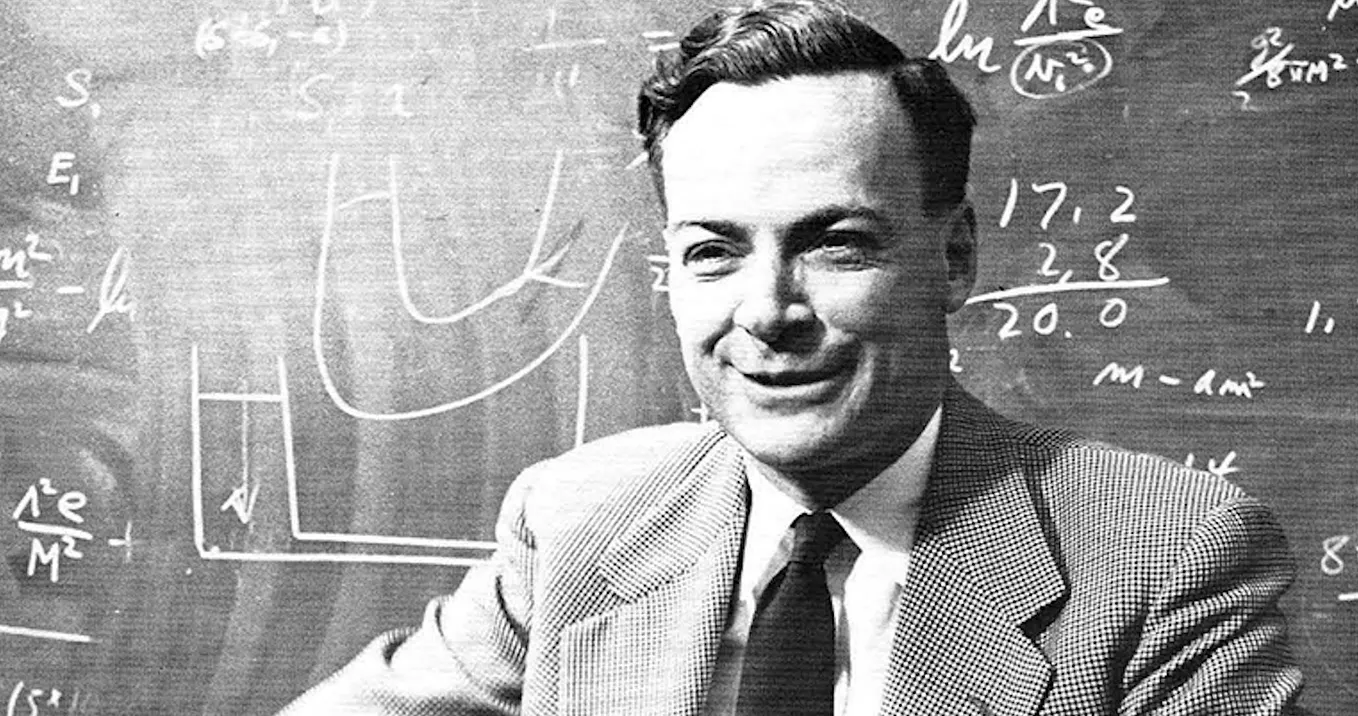
According to Max Planck [one of the founding fathers of quantum theory], the really innovative, important new physics was never really accepted by the old guard. Instead, a new guard came along that was less brain-blocked by its previous conclusions. And if Max Planck’s crowd had this consistency and commitment tendency that kept their old inclusions intact in spite of disconfirming evidence, you can imagine what the crowd that you and I are part of behaves like.
And of course, if you make a public disclosure of your conclusion, you’re pounding it into your own head. Many of these students that are screaming at us, you know, they aren’t convincing us, but they’re forming mental…