Member-only story
As Simple As Possible
As Simple As Possible, But No Simpler

The process requires asking why, why and why until one can go no further — essentially trying to reduce to a more fundamental body of knowledge.
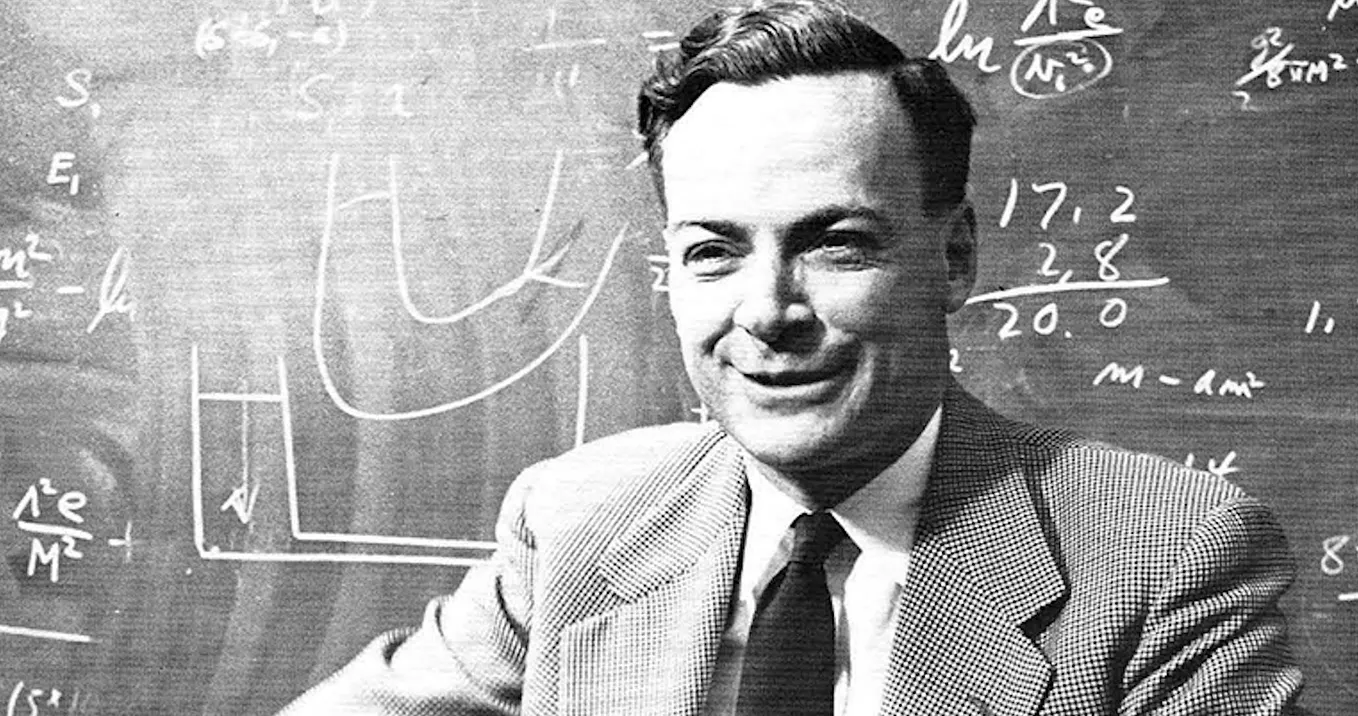
In ‘No Ordinary Genius’, Richard Feynman discusses his ability to simplify:
But the game is to try to figure a thing out, with what we know is possible. It requires imagination to think of what’s possible, and then it requires an analysis back, checking to see whether it fits, whether it’s allowed, according to what is known.
When you explain a ‘why’ you have to be in some kind of framework where you allow something to be true, otherwise you are perpetually asking ‘why?’
Learn by trying to understand simple things in terms of other ideas — always honestly and directly. What keeps clouds up, why do colors appear on oily water, etc. Look about you and think of what you see there.
It was my father who got me into this business of having to imagine things all the time. Things like, if a Martian landed wouldn’t they ask: ‘Why does everyone go to sleep every night?’
For example, Aunt Minnie is in hospital. Why — Because she slipped on the ice and broke her hip. That satisfies people. But it wouldn’t satisfy someone who came from another planet.
Occam’s Razor provides another approach to the ‘as simple as possible’ approach. William of Occam, a 14th century philosopher, said, ‘Non sunt entia…